
A research team led by Dr. Ze-Guang Han and Dr. Lan Wang from Shanghai Center for Systems Biomedicine, Shanghai Jiao Tong University has made a discovery in understanding how aristolochic acid (AA) drives liver tumorigenesis in the context of Arid1a deficiency on October 24, 2025. Their study, titled “Arid1a Deficiency Drives Aristolochic Acid-Induced liver Tumorigenesis through Ctnnb1 Mutation and Defective Nucleotide Excision Repair”, was published in the prestigious journal Advanced Science.

SWI/SNF chromatin remodeling complexes, which regulate gene expression by repositioning nucleosomes, are disrupted in over 20% of all human cancers. Among their subunits, ARID1A is the most frequently across cancer types. Notably, these ARID1A mutations often appear in non-cancerous tissues of older individuals. The research team investigated whether ARID1A loss alone could transform healthy cells into cancerous ones when exposed to environmental carcinogens like aristolochic acid (AA), classified as a Group 1 human carcinogen by the International Agency for Research on Cancer (IARC).
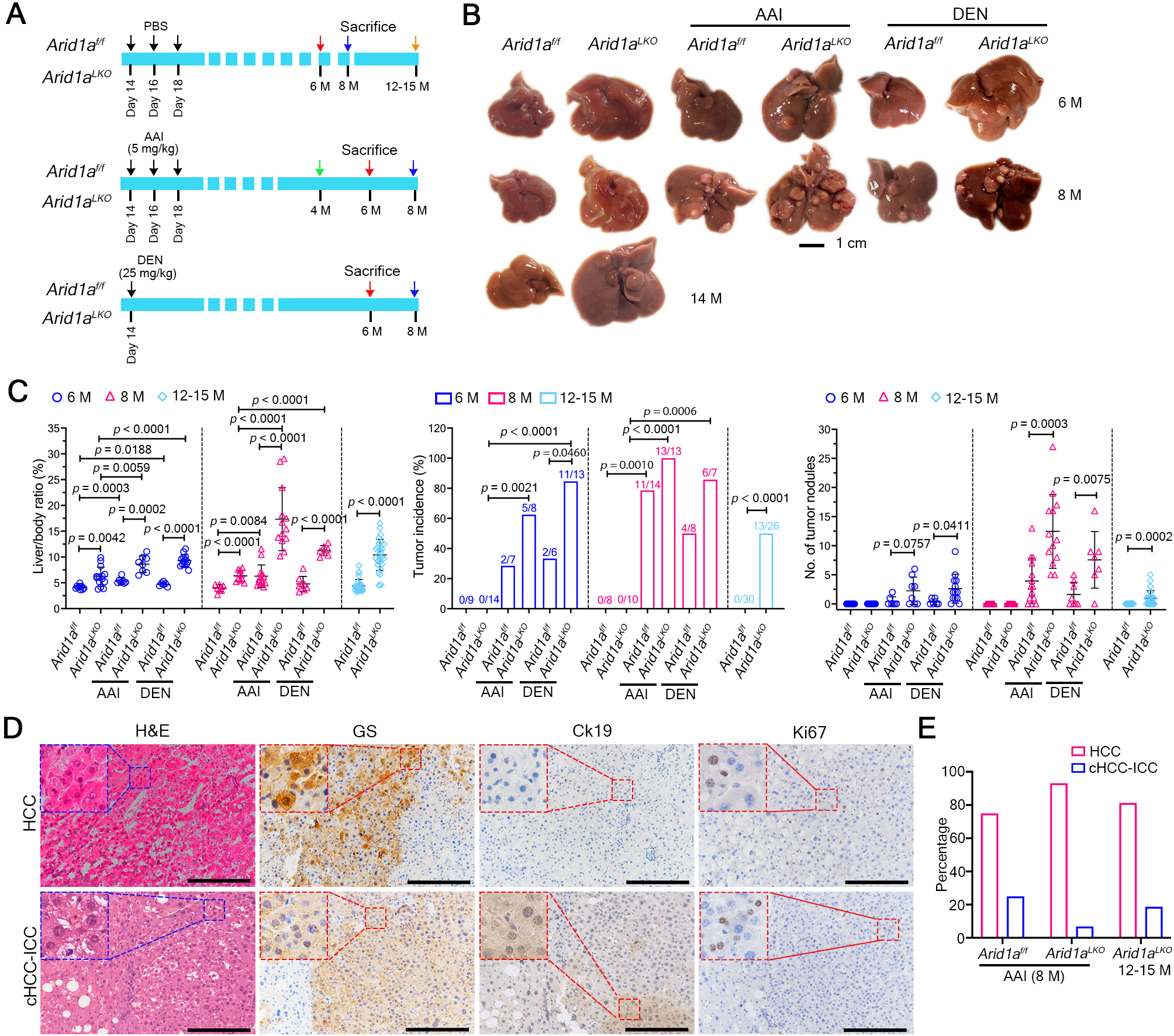
Figure 1. AA exposure rapidly promotes liver cancer development in liver-specific Arid1a-deficient mice.
Using liver-specific Arid1a-deficient mouse models, the researchers found that AA exposure rapidly initiated liver cancer development (Figure 1). The process involved characteristic Ctnnb1 mutation (Figure 2) and significant alterations in the liver microenvironment (Figure 3). Mechanistically, Arid1a loss downregulates key nucleotide excision repair (NER) genes and upregulates Nqo1, a critical enzyme for AA bioactivation in vivo. These findings elucidate the molecular and cellular mechanisms by which the exogenous carcinogen AAI drives liver tumorigenesis in an Arid1a-deficient context (Figure 4). These results explain why individuals with ARID1A mutations even in seemingly normal tissues face higher cancer risks when exposed to AA.
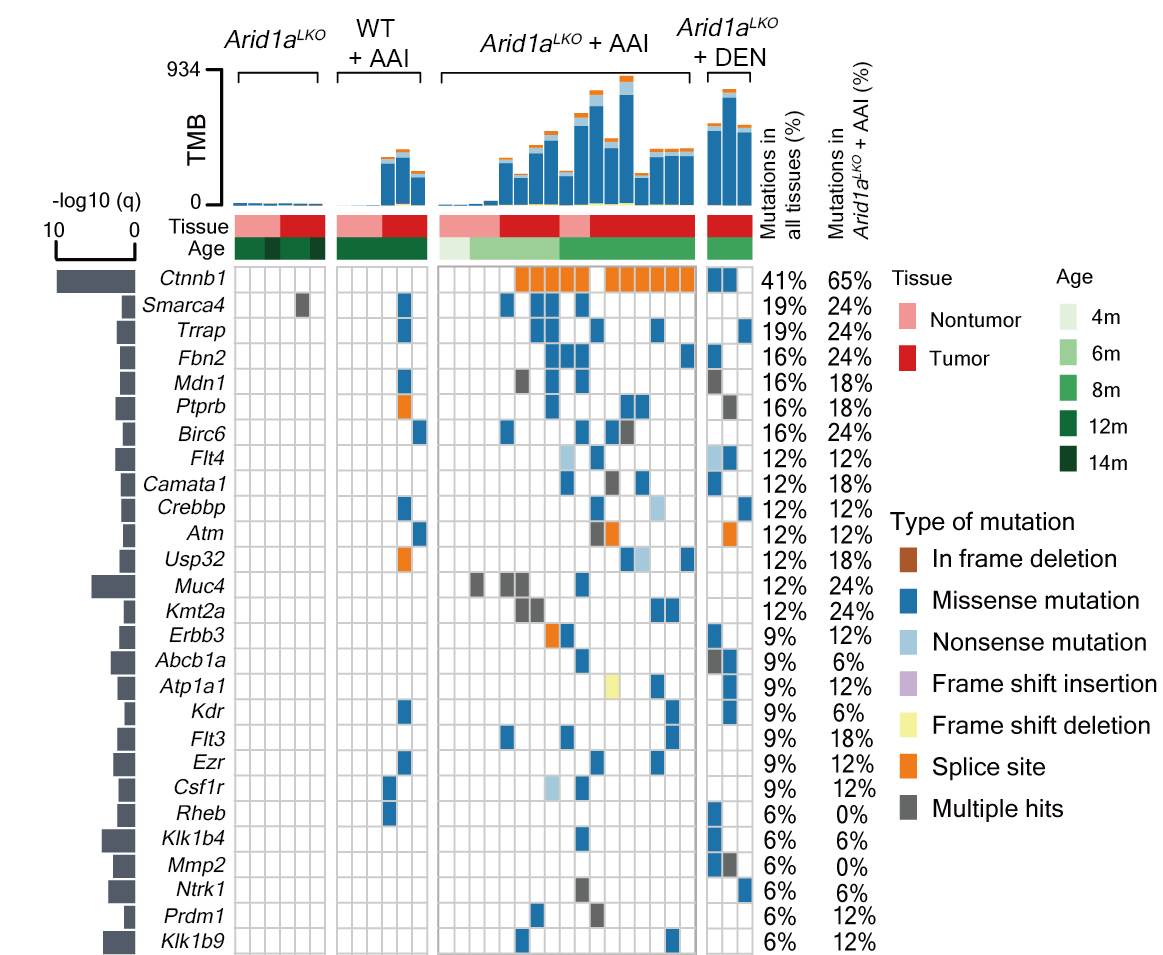
Figure 2. Characteristic driver gene mutation induced by AA in liver-specific Arid1a-deficient mice.
The study’s co-first authors are Dr. Lan Wang, Associated Professor at Shanghai Center for Systems Biomedicine, Shanghai Jiao Tong University, and Ph.D. candidate Shi-Hao Bai. The corresponding authors are Dr. Lan Wang and Professor Ze-Guang Han.
This research was supported by the National Key Research and Development Program of China, the National Natural Science Foundation of China, Natural Science Foundation of Shanghai, 111 project and the Fundamental Research Funds for the Central Universities.
For further details, the full paper can be accessed in Advanced Science (https://advanced.onlinelibrary.wiley.com/doi/10.1002/advs.202513981).
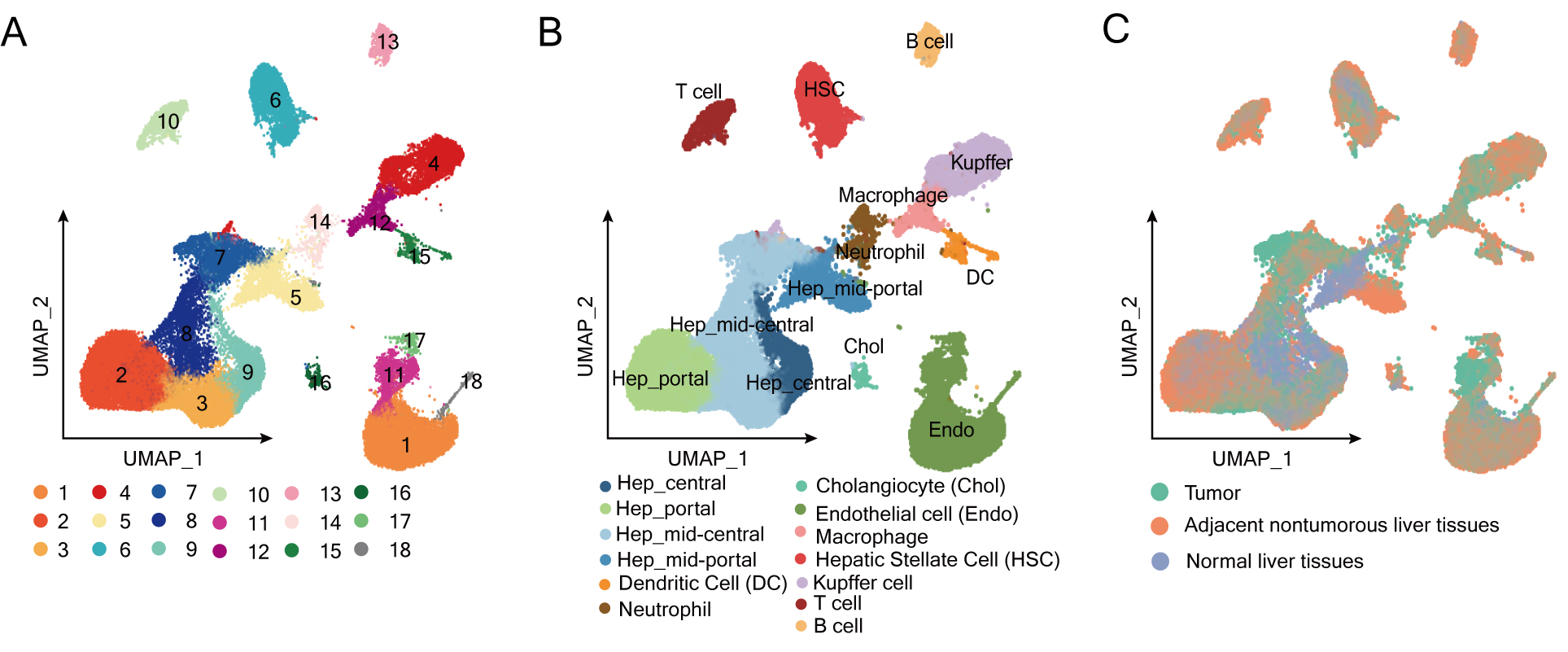
Figure 3. SnRNA-seq assay reveals the alteration of cells in AA-exposed liver-specific Arid1a-deficient mice.
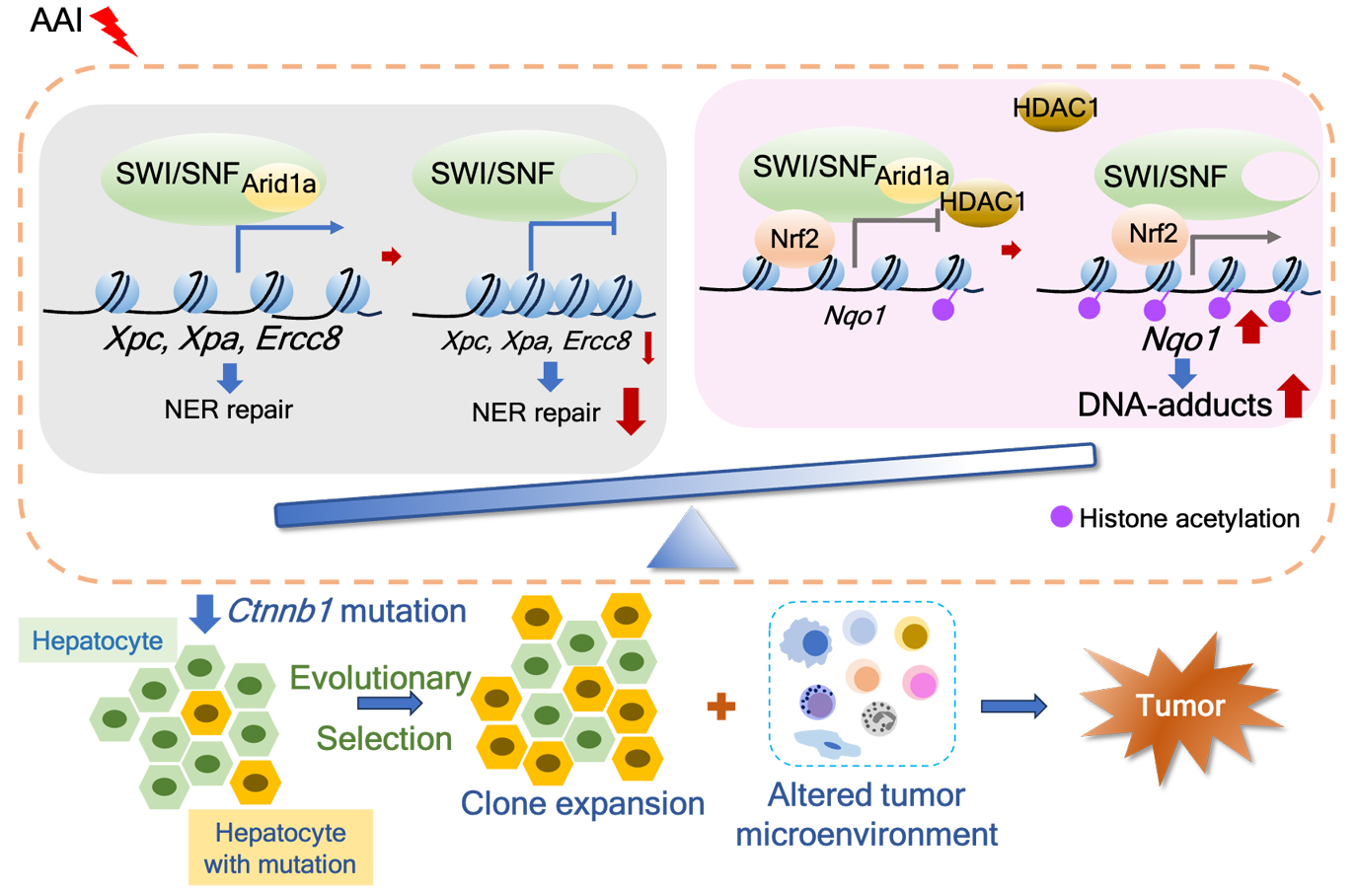
Figure 4. Schematic mechanism of AA promotes liver cancer development in the context of Arid1a deficiency.

Address:800 Dongchuan Road, Shangha
Fax:200240
Tel:021-34206059